
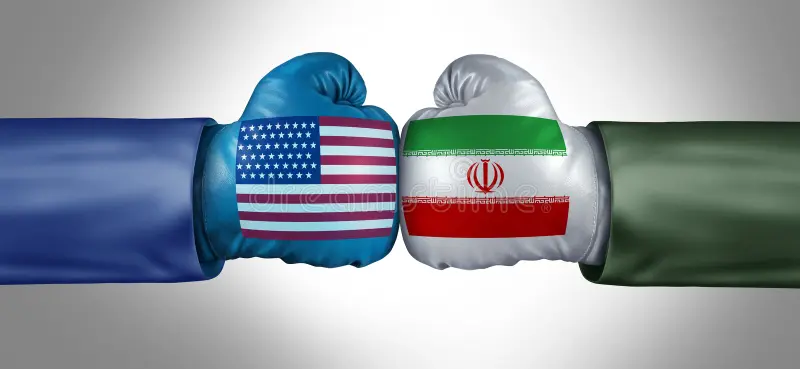
The United States and Israel intensified airstrikes across Iran on March 7–8, 2026, hitting oil storage depots, refining facilities, and remaining ballistic missile sites for the first time in the campaign. Iran launched retaliatory drones and missiles against Gulf neighbors including Bahrain, Kuwait, and Saudi Arabia, causing civilian casualties and infrastructure damage. President Donald Trump stated Iran would be “hit very hard” and reiterated demands for unconditional surrender, while Iranian President Masoud Pezeshkian apologized to neighboring states for some strikes (attributing them to miscommunication) but vowed continued defense.
Missile barrages from Iran toward Israel have declined sharply (down ~90% per US assessments), amid heavy degradation of launch infrastructure.
Table of Contents
- Current Status (March 8, 2026)
- Timeline of Key Events
- Military Developments
- Statements from Key Parties
- Regional & Humanitarian Impact
- Sources & Further Reading
Current Status (March 8, 2026)
As of midday UTC March 8:
- Joint US–Israeli air campaign (Operation Epic Fury / Roaring Lion) enters day 9–10.
- New strikes targeted Tehran-area oil infrastructure overnight March 7, producing heavy smoke and reports of oil-saturated rain in the capital.
- Iranian drone strikes hit civilian targets in Kuwait (high-rise fire) and Bahrain (water desalination plant damage); Saudi Arabia intercepted additional missiles/drones.
- Protests occurred in New York condemning the US–Israeli campaign.
- No confirmed ground invasion; Iranian FM Abbas Araghchi stated confidence in repelling any US ground forces.
Timeline of Major Events (February–March 2026)
- Feb 28, 2026 — War begins. US & Israel launch ~900 strikes in first 12 hours, killing Supreme Leader Ali Khamenei and senior IRGC/Armed Forces leaders. Targets: nuclear sites, missiles, air defenses.
- March 1–2 — Iran retaliates with hundreds of missiles/drones across region; Hezbollah joins from Lebanon.
- March 3 — IDF strikes Assembly of Experts building in Tehran to disrupt new Supreme Leader selection.
- March 4–5 — US–Israel focus on ballistic missile launchers (~300 destroyed per IDF); attacks on Iranian proxies in Iraq.
- March 6 — Strikes continue on missile infrastructure; reports of IRGC Quds Force members fleeing Lebanon. Trump defines “unconditional surrender” as Iran no longer posing threat.
- March 7 — First strikes on Iranian oil depots/refineries; Pezeshkian apologizes to Gulf states, promises no further attacks unless provoked via their territory.
- March 8 — Escalation warnings from Trump (“hit very hard”); continued Iranian retaliation on Gulf; explosions reported in Tehran.
Military Developments
- US–Israel campaign → Primary goal: destroy Iran’s ballistic missile program and degrade regime command. CENTCOM reports ~90% drop in Iranian missile launches. Satellite imagery shows extensive damage to bases and refineries.
- Iranian response → Shift to fewer long-range missiles (IRGC statement); more drone attacks on Gulf states. Hezbollah heavily struck in Lebanon; IRGC personnel reportedly evacuating Beirut.
- No confirmed naval engagements in Strait of Hormuz yet, but oil price volatility reported.
Statements from Key Parties
- US President Donald Trump (Truth Social, March 7–8): “Today Iran will be hit very hard… only unconditional surrender” stops campaign.
- Iranian President Masoud Pezeshkian (March 7): Apologized for strikes on neighbors due to “miscommunication”; will avoid unless territory used for attacks on Iran.
- Iranian FM Abbas Araghchi (NBC interview): “We are waiting” for any US ground invasion; “confident” in confrontation; no ceasefire requested.
- China (March 8): Warned of spreading “flames of war”; called for immediate end ahead of US–China summit.
Regional & Humanitarian Impact
- Lebanon → Intensified Israeli strikes on Hezbollah; hundreds of thousands displaced.
- Gulf states → Civilian deaths (Kuwait: 2+; high-rise fire); infrastructure hits (Bahrain desalination).
- Iran → Civilian casualties from strikes (reports of blackened rain/oil fallout in Tehran); displacement and infrastructure damage.
- Global → Protests in US cities; oil market concerns; travel disruptions.
Sources & Further Reading (inline citations preferred in full article; here summarized)
- Wikipedia: 2026 Iran war (ongoing timeline)
- Britannica: 2026 Iran conflict overview
- Institute for the Study of War (understandingwar.org): Iran Update Evening Special Reports (March 3–6, 2026)
- CNN, Al Jazeera, NBC News live coverage (March 7–8 strikes & statements)
- ACLED Middle East Special Issue: March 2026
This page is updated continuously with verified developments. For real-time alerts, follow primary sources like CENTCOM, IDF statements, and major wire services.